
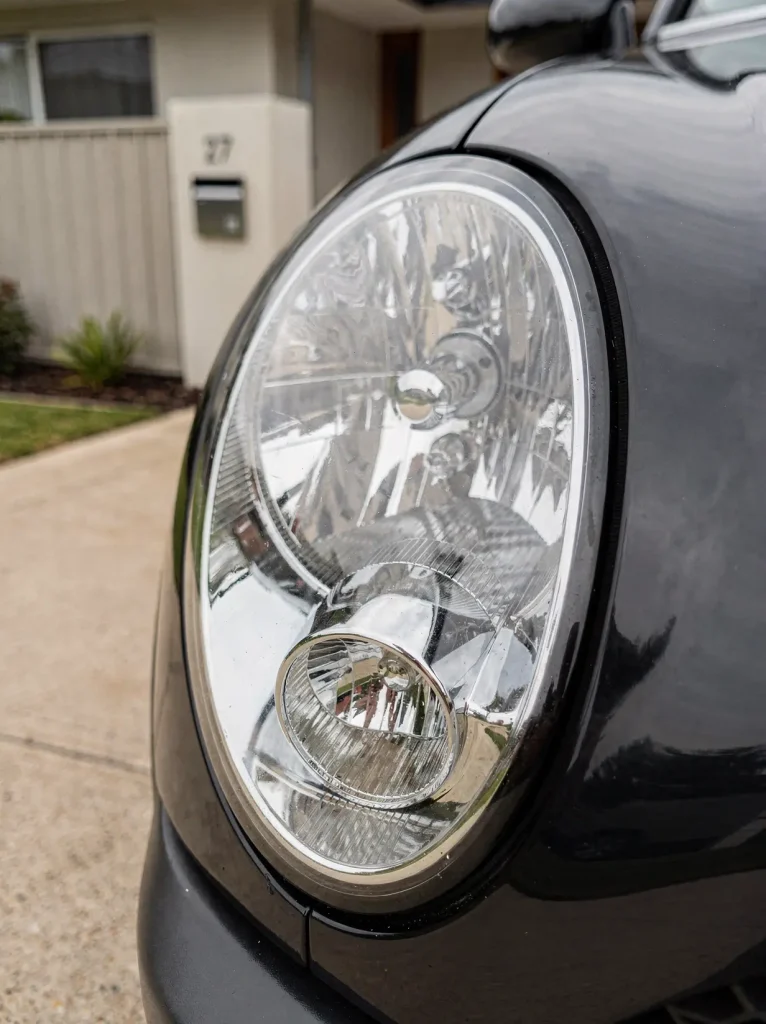
You notice the windscreen smearing a little when you drive into the morning sun. A week later, the seat feels tacky under your hand. Then a faint smell you can’t quite place. Each cue is easy to wave off on its own, so you keep driving. By the time all of them stack up, the car looks tired and the fix takes far longer than it should have. Cars communicate their need for care through subtle signals most owners overlook, and spotting them early is exactly what car detailing specialists rely on to judge when a vehicle needs attention. Here are the ten most reliable signs, written from your car’s point of view.
Prefer to watch or listen?
Listen onApple Podcasts
Rough Paint You Can Feel With Your Fingertips
Run a clean, dry hand across your bonnet. Smooth glass-like paint means the surface is clean and protected. A gritty, sandpapery texture means bonded contaminants, industrial fallout, brake dust and airborne grit, have latched onto the clear coat. A normal wash won’t shift them, and left there they slowly abrade the finish.
Water No Longer Beading After Rain
Fresh protection makes water pull into tight beads that roll off. When rain sheets flat across the panels and lingers, the protective layer has worn thin. That’s your paint telling you it’s now exposed to the elements with nothing between it and the sun, salt or contaminants.
A Dull, Hazy or Flat Finish
Paint that once threw a sharp reflection now looks cloudy or lifeless, especially under direct light. Fine swirl marks and light oxidation scatter the light instead of reflecting it cleanly. The colour hasn’t changed, but the surface sitting over it has degraded.
Bird Droppings and Bug Marks That Leave Their Shape
If you wipe away a dropping or a squashed bug and a faint outline or dull patch stays behind, that’s etching. These marks are mildly acidic and eat into the clear coat within days, faster in the heat. Once you can see the ghost of them, the surface has already been marked.
A Salty Film That Returns Quickly
Park anywhere near the coast around Fremantle and salt-laden air settles on your car constantly. You’ll notice a hazy film that dulls the paint and reappears soon after a wash. Salt is corrosive and clings to trim, glass and metal, so a car that never quite feels clean is often carrying a coastal salt load.
Faded Trim and Oxidising Paintwork
Black plastic trim turning chalky grey is one of the clearest sun-damage signs in WA conditions. Alongside it, paint on horizontal panels, the roof, bonnet and boot, may start to look lighter or patchy as UV breaks down the surface. These upward-facing areas cop the harshest exposure and show wear first.
Odours and Sticky Touchpoints Inside
A smell that greets you when you open the door, then fades once you’re driving, hasn’t gone anywhere. It’s absorbed into the carpets, seats and vents. Add in a steering wheel, gear selector or door handle that feels slightly tacky, and you’re dealing with built-up oils, sweat and residue that surface wiping never reaches.
Dusty Vents and Stained Upholstery
Look closely at your air vents. A furry line of dust along the slats means that grime is being pushed into the cabin every time you switch on the fan. Meanwhile, seats and carpets collect spills and dust that set into the fibres over time. Once a stain darkens or spreads, it needs proper extraction rather than a spot rub.
Greasy Glass and Reduced Clarity
Interior glass builds an oily film from off-gassing plastics, breath and fingerprints. You’ll notice it most driving into low sun, when the whole windscreen glares and smears. Outside, bonded contaminants make the glass feel rough and scatter light at night. Both cut your visibility, which makes this more than a cosmetic issue.
Wheels and Underbody That Resist a Normal Wash
Baked-on brake dust caking your wheels, dark tar spots peppering the lower panels, and a general grime that shrugs off your usual bucket-and-hose routine all point the same way. These deposits are stubborn by nature. When a standard wash leaves them behind, the car has moved past what regular maintenance can handle.
Sorting the Signs by Priority
Once you’ve spotted a few of these, not all carry equal weight. Some threaten the car’s condition, others are simply cosmetic. A sensible order of concern looks like this:
- Act soon: etching from droppings or bugs, salt film, and any sign of oxidation, because these actively damage surfaces.
- Address for safety: greasy or filmed glass that reduces visibility, particularly if you drive into the sun often.
- Restore condition: rough paint, lost beading and dull finish, which protect and revive the exterior.
- Health and comfort: lingering odours, sticky touchpoints and dusty vents that affect the air you breathe in the cabin.
The quiet cost of ignoring them adds up. Contaminants left on paint scratch it further, sun and salt degrade what they touch until it can’t be reversed, and set-in stains and smells grow harder to remove. What starts as a maintenance job becomes a correction job. For a sense of the areas a thorough clean actually covers, it helps to know what a complete detail addresses across the vehicle.
Reading these signs is the easy part. Once you’ve decided a detail is genuinely due, the practical questions arrive quickly: how to work it around a busy week, and whether it makes more sense to take the car somewhere or have the work done where you already are. Weighing up where the detailing actually happens is the natural next step in getting your car back to its best.