
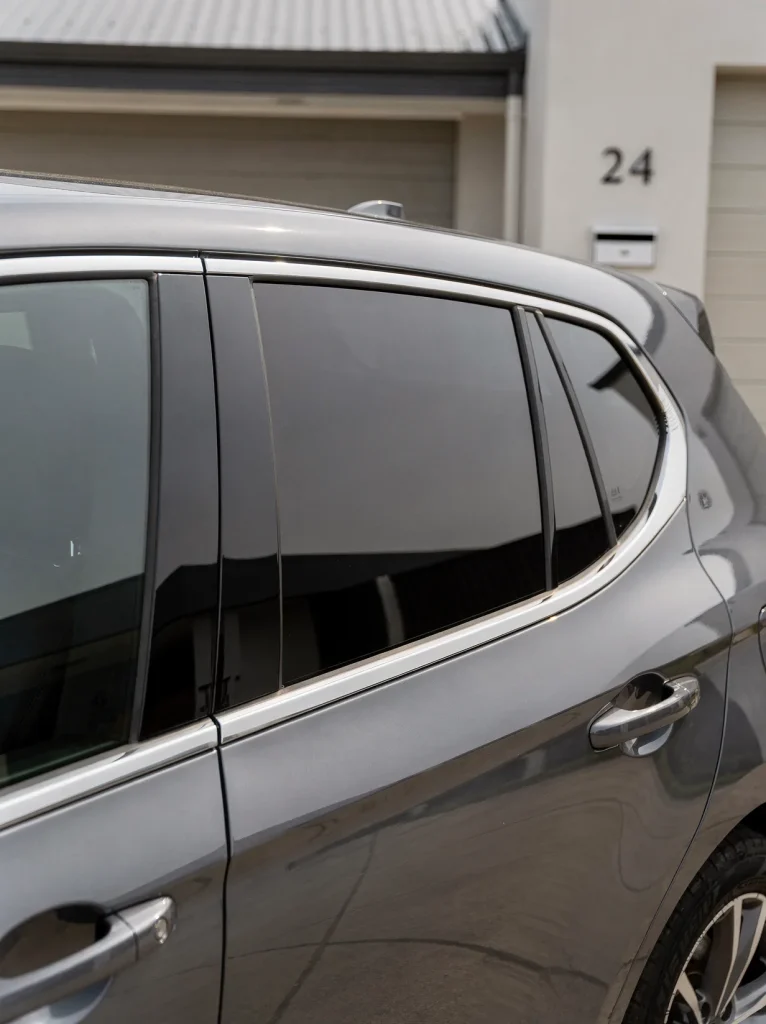
Once you’ve accepted that your car needs a proper going-over, the next decision isn’t about how thorough the work should be. It’s about where it happens. A skilled car detailing company can apply the same careful workmanship whether it turns up at your driveway or works on the vehicle inside a dedicated space. The difference lies in logistics: your schedule, your location, the treatment involved and the vehicle itself. This article is a guide to matching the setting to your situation.
What On-Site Detailing Actually Involves
On-site, or mobile, detailing brings the detailer to you. Whether that’s your home in the suburbs or a car park at work, the vehicle stays put while the work comes to it. That convenience is the whole point. You don’t rearrange your day around a drop-off, and the car never leaves your sight.
Mobile work suits everyday maintenance detailing well. Interior cleaning, exterior washing, decontamination and lighter protective treatments all travel comfortably. It works best when there’s a flat, shaded spot to park, reasonable access to water and power, and enough room around the car for the detailer to move freely.
The trade-off is that mobile detailing depends on conditions you don’t fully control. Wind carrying dust, direct sun heating panels, or a cramped verge can all affect how certain finishes come up. A good detailer plans around these, but they set the boundaries of what mobile work can achieve on a given day.
What In-Workshop Detailing Offers
A workshop removes the variables. Inside a controlled space, temperature, lighting, dust and airflow are managed rather than gambled on. That matters more than most owners expect, because some finishes are sensitive to exactly those conditions.
Consistent, even lighting lets a detailer read the paint properly and catch defects that outdoor glare hides. A clean, enclosed environment keeps airborne grit off freshly worked surfaces. Stable temperatures help products behave predictably during application and curing.
For work that demands time, precision and a settled environment, the workshop earns its place. You give up the on-site convenience, but you gain conditions that let more involved treatments perform as intended.
How Schedule, Location and Access Shape the Choice
Practical realities often decide this before anything else. A few questions usually clear it up:
- Can you spare the car for a longer stretch, or do you need it back the same afternoon?
- Is there a shaded, level area where a detailer could work at your place?
- Do you have an outdoor tap and a power point within reach of the parking spot?
- Does your building or strata allow detailing work in shared parking?
- Is dropping the vehicle somewhere convenient, or a genuine hassle?
Apartment residents and those with tight street parking often find on-site work impractical, while a workshop drop-off solves the space problem entirely. Owners with a roomy driveway and a busy calendar tend to lean the other way. Neither answer is wrong; they just reflect different circumstances.
Matching the Setting to the Treatment
The type of work you want plays a large part. Routine cleaning and maintenance travel well and sit comfortably in a mobile setting. More demanding treatments benefit from a space where nothing interferes with the process.
Anything involving careful paint work or protective coatings tends to prefer the workshop. Dust settling on a surface at the wrong moment, or heat rushing a product before it’s ready, can undo hours of effort. A controlled room keeps those risks off the table. It’s the same reason a detailer will happily wash and tidy a car in your driveway but suggest a workshop for the more delicate jobs.
Vehicle-Specific Considerations in Perth’s Conditions
The vehicle matters too, and so does where it spends its life. Coastal air along the Fremantle and metro coastline carries salt, and long sun exposure is a constant across the WA summer. Both take a steady toll on paint and trim.
Everyday cars used for commuting and school runs are usually well served by either setting, chosen on convenience. Larger 4WDs bring more surface area and, often, ingrained beach sand and dust that a controlled space handles more comfortably. Commercial vehicles and fleet utes raise a different question again: keeping them off the road costs time, so on-site work at the depot or worksite can make more sense for regular upkeep.
If your car lives outdoors under harsh sun near the coast, the finishing treatments that protect it are exactly the ones that reward a controlled environment. That’s worth weighing when you plan the visit. If you’ve noticed your paint or interior showing early signs of neglect, it’s worth revisiting the everyday signals a car sends when it’s overdue for attention before you book anything.
A Simple Framework for Deciding
When you’re unsure, work through it in order:
- Start with the treatment. If it involves paint correction or coatings, lean toward the workshop.
- Check your space. No shade, water or power at home nudges you toward a drop-off.
- Look at your calendar. If parting with the car is difficult, on-site maintenance may suit better.
- Factor in the vehicle. Heavily soiled 4WDs and delicate finishes favour a controlled setting.
Run those four steps and the answer usually presents itself. Most owners find one setting is clearly more practical once they’ve been honest about their space and their schedule.
The Bottom Line
Neither setting is universally better. Mobile detailing wins on convenience and suits routine care; a workshop wins on control and suits more demanding treatments. The right choice comes down to your vehicle, the work involved and how much time you can give it. Careful workmanship carries across both settings, so the decision is about logistics, not quality. Consider which one genuinely fits your situation, and go with that.