
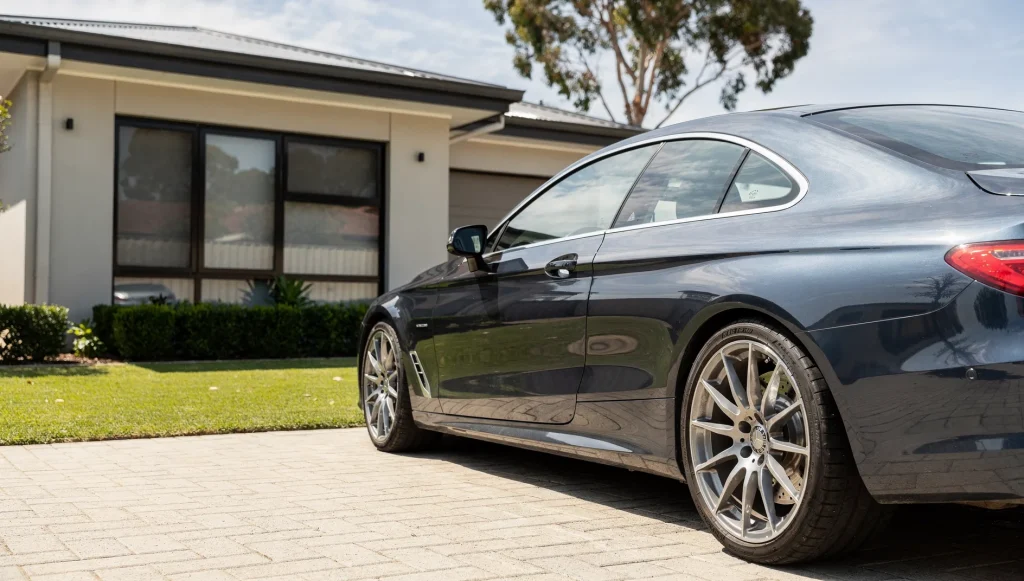
How often is often enough? It’s the question nearly every car owner asks, and the honest answer is: it depends. Fremantle’s coastal position and long, harsh summers put more pressure on a car than an inland suburb ever would, which means a schedule that works elsewhere may leave your vehicle exposed here. A good car detailing company can help you set a realistic maintenance rhythm around how you actually use your car, rather than a one-size-fits-all calendar.
Below is a practical framework for washing, interior cleaning, full details and protective treatments, tuned to real Fremantle conditions.
Why a Fixed Schedule Doesn’t Work Here
A blanket rule like “detail every six months” ignores the two things that matter most: exposure and use. A car that lives in a sealed garage and only drives to the shops has completely different needs to one parked on the street a block from the water and driven daily.
Fremantle throws a lot at a vehicle. The mix of coastal air, wind-blown grit and intense summer sun means contaminants build up faster than most owners expect. As covered in our look at red dust, beach sand and sea spray, the local environment is uniquely demanding. So instead of a fixed number, think in ranges and adjust based on your own situation.
How Parking and Driving Habits Change the Ideal Frequency
Where your car sleeps at night matters more than almost anything else. Use these three profiles as a starting point:
- Garaged and lightly used: The most protected scenario. You can stretch intervals out and focus on occasional maintenance rather than constant catch-up.
- Street-parked away from the coast: Exposed to sun, dust and airborne grime, but with a little more breathing room than a harbour-side spot. Sits in the middle of the range.
- Parked near the water or driven daily: The heaviest exposure. Coastal air and constant road use mean you’ll want the shortest intervals across the board.
Add high-kilometre commuting, kids, pets or regular beach trips and you shift further toward the frequent end. A weekend cruiser that stays undercover sits at the relaxed end.
Intervals for Regular Washing and Maintenance
Regular washing is the foundation of everything else. It removes contaminants before they have a chance to settle in, and it keeps the gaps between bigger jobs longer.
As a general rhythm:
- Daily-driven or coastal cars: A proper wash roughly weekly to fortnightly keeps grime from accumulating.
- Moderately used, street-parked cars: Every two to three weeks is usually enough.
- Garaged, low-use cars: Monthly washing often does the job, with a quick rinse after any coastal outing.
A light maintenance detail — a thorough wash paired with a quick protective top-up — every couple of months helps bridge the gap between full details and keeps the finish looking consistent.
Booking Deep Interior Cleans and Full Details
A full detail goes well beyond a wash, addressing both the exterior finish and the interior in depth. For most Fremantle owners, planning around the seasons makes sense.
A realistic pattern for many cars is two full details a year — one heading into summer and one afterwards. Heavily used vehicles, family cars or anything carrying sand and salt regularly may benefit from three or four across the year.
Interior cleaning follows your lifestyle more than the weather. If you’re ferrying kids, dogs, sports gear or tradie tools, a deeper interior clean every few months keeps things fresh. A tidy, single-occupant commuter can go longer between interior deep cleans.
Timing Protective Treatments and Seasonal Check-Ins
Protection is where timing really pays off. The ideal moment to refresh protective treatments is before the toughest conditions arrive, not after.
A sensible approach:
- Pre-summer: Refresh exterior protection ahead of the hottest, harshest months so the finish is ready before peak sun and heat.
- Post-summer: A check-in to assess how the protection held up and to remove built-up contaminants.
- Coastal cars: More frequent check-ins are worth it, since exposure never really lets up near the water.
Treat these seasonal points as scheduled reminders rather than something you only do when the car looks tired.
Signs Your Car Is Overdue Rather Than Watching the Calendar
Calendars are a guide, but your car will tell you when it needs attention. Watch for these signals:
- Water no longer beads on the paint and instead sheets off flat.
- The surface feels rough or gritty rather than smooth when you run a hand over it.
- The paint looks dull or hazy even after washing.
- Interior surfaces feel sticky, dusty or start to smell despite a quick tidy.
- Glass stays smeary and hard to clean.
If you’re noticing any of these before your planned interval, bring the appointment forward. If your car still looks and feels good at the scheduled date, you’ve probably got the rhythm right.
Finding Your Rhythm
The right detailing schedule in Fremantle comes down to matching frequency to how and where your car actually lives. A garaged weekend car and a coastal daily driver simply aren’t on the same clock. Start with the ranges above, watch the signs your car gives you, and adjust over time. Above all, treat detailing as ongoing maintenance rather than a one-off rescue — that steady rhythm is what keeps a car looking its best through everything the coast throws at it.