
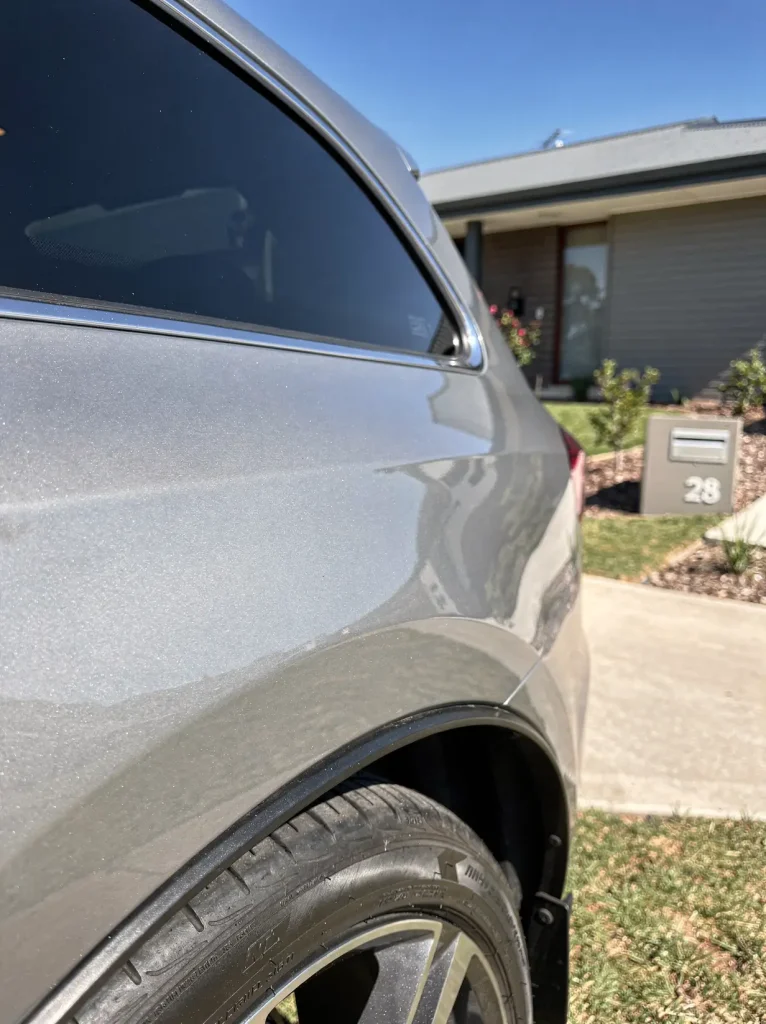
You wash the car on the weekend, and by midweek it already looks tired again. The paint feels gritty, there’s a hazy film that won’t wipe away, and the shine you paid for seems to fade faster than it should. If you live, work or park regularly near the harbour, this pattern is common. It’s something the team notices often when providing car detailing in Fremantle, WA for vehicles that spend their days within sight of the port.
The general effects of coastal air apply across the whole city, and we’ve covered how coastal salt air affects your car’s paint and trim more broadly. But the harbour zone is its own case. Proximity to a working port amplifies everything, and cars parked there simply need a closer look and a shorter maintenance rhythm.
Prefer to watch or listen?
Listen onApple Podcasts
What Makes the Harbour Micro-Climate Different
Sea spray doesn’t spread evenly. The closer you are to open water and the port entrance, the more concentrated it becomes. Fine salt-laden mist drifts inland on the breeze and settles on every surface, and near the harbour that mist is heavier and lands more often.
Add stagnant, humid air trapped between buildings, wharf structures and parked traffic, and you get reduced airflow. Moisture lingers on panels instead of drying quickly. That damp, salty film sits on the paint for longer, giving contaminants more time to bond to the surface. A car a few kilometres inland gets a lighter dose and dries out faster. A harbour-adjacent car gets a stronger dose that clings.
Industrial and Port-Related Fallout
A working dock is a busy industrial environment. Cranes, trucks, ships and cargo handling all throw fine particles into the air. Diesel exhaust residue, brake dust, and airborne grit from loading operations drift across the surrounding streets and settle on nearby vehicles.
This fallout is different from ordinary road dust. It’s often oily, abrasive, and it binds to paint in combination with the salt film already present. Left alone, it builds into a layer that dulls the finish and, over time, works its way into the clear coat. Cars parked closest to the port carry more of this residue than most owners realise.
Bird Droppings and Wharf Wildlife
The wharf and marina attract a lot of bird activity. Gulls and other seabirds congregate around the water, the fishing boats and the food outlets, and vehicles parked in that zone become frequent targets.
Bird droppings are more than an eyesore. They’re acidic, and in warm conditions they etch into clear coat quickly. On a hot Fremantle afternoon, a dropping can leave a permanent mark within hours if it isn’t removed. The high volume of bird traffic near the harbour means these hits happen more often, and each one is a small point of accelerated damage.
How Harbourside Parking Increases Contact Time
The way you park matters as much as where you park. Around the harbour, most parking is open: exposed street bays, uncovered lots and long-stay spots near the terminals. That means your car sits fully exposed for hours at a stretch.
The longer a contaminant stays on the paint, the more damage it can do. Salt film, industrial fallout and bird droppings all get more time to bond and etch when the car sits undisturbed all day. Contact time is the enemy, and open harbourside parking maximises it.
Why Detailing Intervals Should Be Shorter Here
Because the harbour zone concentrates every hazard, the sensible response is a tighter maintenance rhythm. A schedule that keeps an inland car looking good will leave a harbour-adjacent car falling behind.
A practical rhythm for harbourside vehicles usually looks like:
- More frequent gentle washes to remove salt film before it bonds
- Prompt spot-removal of bird droppings rather than waiting for the next wash
- A protective layer maintained more diligently, since it takes the brunt of the contamination
- Professional detailing at shorter intervals than you’d need further inland, to reset the paint before buildup becomes ingrained
The exact timing depends on how close you are, how often you park there and whether the car ever gets undercover shelter. The principle stays the same: react sooner, not later.
Signs Your Car Is Showing Harbour-Zone Wear
A few clues tell you the environment is getting ahead of your current routine:
- A gritty or rough feel across panels shortly after washing
- A dull, hazy film that returns quickly and resists a normal wash
- Water spotting or cloudiness that lingers on the surface
- Small etched marks where droppings or fallout have sat too long
- Trim and rubber looking chalky or faded sooner than expected
When you notice these signs recurring, it’s a signal to shorten your intervals rather than push them out.
Salt and harbour fallout, though, are only one part of the environmental load these cars carry. The same open, exposed parking that invites contamination also leaves vehicles baking under long hours of intense Western Australian sunlight, and that prolonged UV exposure quietly works on both the paint and the interior in its own way. Understanding how the sun degrades a car’s finish and cabin is the natural next piece of the picture for any harbourside owner.